Center ng Pagproseso ng Mga Bahagi ng Gas
Ang Gas Parts Processing Center ay isang lubos na isinama at awtomatikong kagamitan sa pagproseso batay sa mga advanced na teknolohiya tulad ng CNC...
Tingnan ang mga detalye


Humiling ng isang quote
When a gas network feeds a furnace that needs 5 kPa, but the supply line runs at 0.3 MPa and fluctuates during off-peak hours, the margin between safe operation and process upset is very thin. The component that makes that margin manageable is a gas pressure regulating device: a self-operating valve that reduces a variable inlet pressure to a stable, pre-set outlet pressure. This article explains how these devices work, what separates one design from another, how to select the right unit, and what safety and maintenance measures should never be skipped.
A gas pressure regulating device, also described as a gas pressure regulator or gas pressure reducing valve, maintains a controlled outlet pressure by using negative feedback from the downstream pressure. When the outlet pressure falls below the setpoint, the regulator opens to admit more gas; when the outlet pressure rises above the setpoint, it closes slightly to reduce flow. The result is an outlet pressure that stays within a usable range across changing demand and changing inlet pressure.
Regulating devices exist in many forms: pipeline regulators for natural gas distribution, pressure reducing valves for LPG cylinders, industrial regulator packages, and complete gas pressure regulating boxes and cabinets. All of them exist for one reason: without pressure regulation, downstream burners, solenoid valves, meters, and safety controls receive pressure swings that cause unstable combustion, seal leaks, equipment fatigue, and even overpressure failure. Choosing a reliable gas pressure regulating device is therefore a safety decision as much as a performance decision .
The operating principle is a force balance. A spring, or a pilot system, produces the reference force. That force pushes a sensing element, typically a diaphragm or a piston, toward the valve opening. Downstream pressure acts on the opposite side of the sensing element. If the downstream pressure drops, the reference force wins and the valve opens. If the downstream pressure rises, the valve moves toward the closed position. The valve settles at whatever opening is required to match the gas demand.
For a more detailed explanation of the control sequence, see how a gas pressure regulator works in an actual gas system.
Every regulator can be reduced to three functional elements: the pressure-reducing element, which is the orifice and valve poppet; the sensing element, which is the diaphragm or piston; and the reference force element, which is the adjustment spring or pilot pressure. The sensing element needs enough area and sensitivity to react to small pressure changes. The spring must hold its calibration over time. The orifice must handle the full flow range without creating instability or excessive noise.
Single-stage regulators are simple, compact, and less costly, but their outlet pressure shifts when the inlet pressure changes. Two-stage regulation places one regulator after another: the first stage absorbs large inlet pressure swings, and the second stage delivers a stable outlet pressure. The trade-off is size, cost, and added components.
| Characteristic | Single-Stage | Two-Stage |
|---|---|---|
| Stability when inlet pressure changes | Moderate; outlet pressure shifts slightly with inlet pressure | High; first stage absorbs inlet swings, second stage holds the setpoint |
| Lock-up pressure | Higher and less repeatable | Lower and more predictable |
| Component count and cost | Fewer parts, lighter, lower cost | More parts and higher cost |
| Typical applications | Residential appliances, cylinders, point-of-use equipment | Industrial gas trains, process burners, wide flow range |
Gas pressure regulating devices are available in several mechanical configurations. The important differences are inlet pressure rating, outlet pressure adjustability, flow capacity, and the application the device is designed for. A regulator that performs well on a gas cylinder may be undersized for a distribution line, while a pipeline regulator with a wide spring range may be too insensitive for a small burner train.
Natural gas pipeline pressure regulators are used in distribution networks, service lines, and station piping. They must handle wide variations in demand while holding a stable low-pressure outlet. A common choice for this type of duty is the natural gas pipeline pressure regulator , which combines a sensitive diaphragm element, a replaceable seat, and spring ranges matched to typical city-gas outlet pressures.
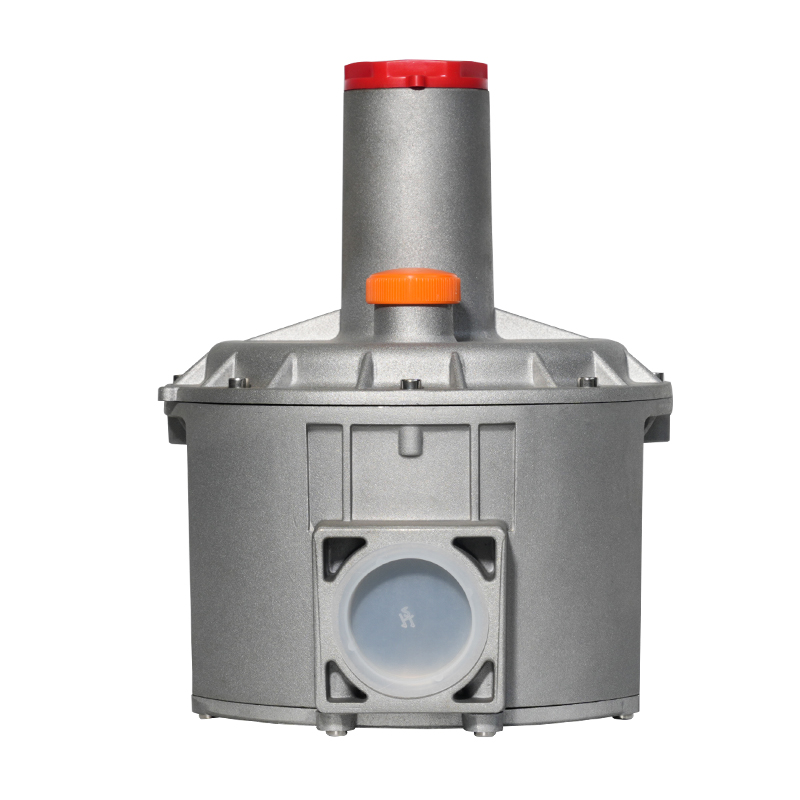 Natural And Pipeline Gas Pressure Regulators Suppliers Jiangsu Changrun Is China Custom Pipeline Gas Pressure Regulators And Natural Gas Pressure Regulator Suppliers, Manufacturers, Offer Desi... View Product →
 Industrial gas pressure regulators are designed for burners, boilers, furnaces, and process equipment. They often need higher outlet pressure accuracy and are installed in a gas train with a filter, safety shutoff valve, relief valve, and pressure switches. For large industrial systems, an industrial gas pressure regulator with the right orifice size and accuracy class is the practical selection.
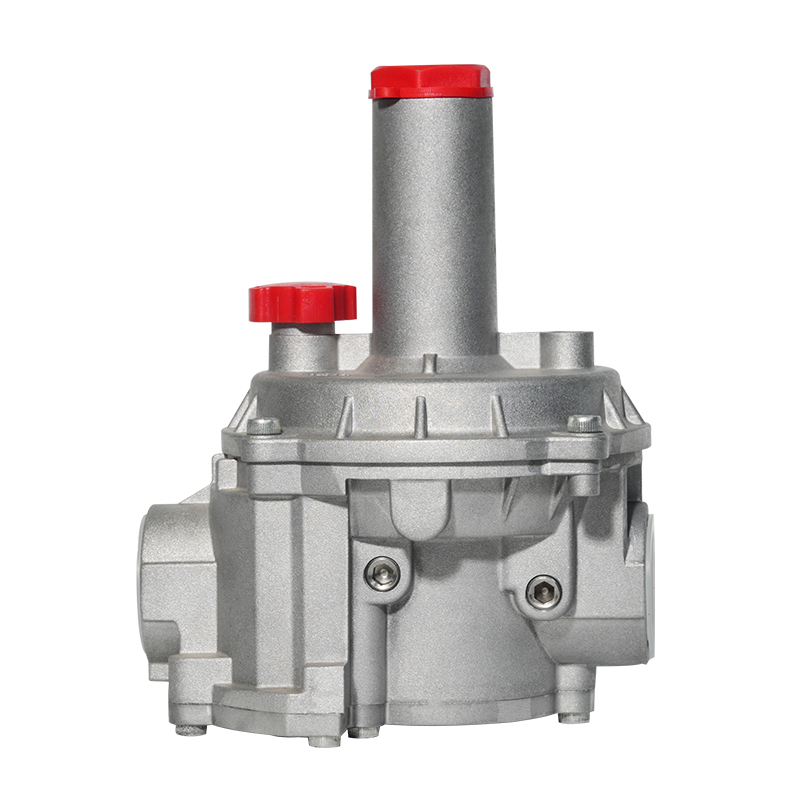 Custom Industrial Lng Pressure Reducing Regulator Suppliers As China Custom Industrial Lng Pressure Reducing Regulator Suppliers And Manufacturers, Jiangsu Changrun Design Customization Industrial ... View Product →
 LPG pressure reducing valves work with cylinder vapor pressure, which changes with ambient temperature and liquid level. High-pressure regulating valves are used for compressed natural gas or high-pressure gas systems and require stronger materials and a tighter shutoff. For building service lines, the regulating function is often packaged into a wall-mounted unit, and questions such as gas pressure regulating box sizing and maintenance become part of the equipment selection.
Selecting the right gas pressure regulating device is not about choosing the largest valve available. The correct unit is the one that holds the setpoint across the entire flow range, from minimum bypass flow to maximum demand, while keeping lock-up and droop within acceptable limits for the downstream equipment.
The table below summarizes the parameters that should be listed in a request for quotation, with the reason each one matters.
| Parameter | Why It Matters |
|---|---|
| Maximum inlet pressure | Sets the pressure class of the body and trim; exceeding it risks seat damage and loss of control. |
| Outlet pressure range and setpoint | Confirms the regulator can actually be adjusted to the required value, with margin on both sides. |
| Flow capacity at minimum and maximum demand | Determines the correct orifice; an over-sized regulator may hunt, an under-sized one will cause droop. |
| Accuracy class and droop | Shows how much the outlet pressure changes from zero flow to maximum flow; pilot-operated designs offer tighter control. |
| Lock-up pressure | The pressure reached after flow stops; important for appliances with narrow allowable pressure bands. |
| Operating temperature range | Ensures diaphragm and spring materials remain functional in winter, summer, and process heat conditions. |
| Connection size and type | Must match existing piping, whether threaded, flanged, or welded. |
| Materials and gas compatibility | Body and elastomers must suit gas composition, moisture content, and any trace contaminants. |
Also think about the entire gas train, not just the regulator. A filter upstream of the regulator protects the seat and sensing element from pipe scale and dirt. A relief valve downstream protects the equipment when a regulator fails. If the gas is wet, cold, or sour, confirm that the diaphragm, seat material, and body material are compatible with the operating conditions.
No pressure regulating device should be treated as the only safety element. Overpressure can occur if the valve seat leaks, the regulator fails, or a downstream valve closes quickly and creates an abrupt pressure buildup. Every critical system should have a gas safety relief valve set above the maximum acceptable outlet pressure but below the downstream equipment rating. A certified gas safety relief valve opens at its set pressure and prevents the downstream line from being exposed to the full inlet pressure. Select it based on relief capacity, set pressure tolerance, and environmental exposure.
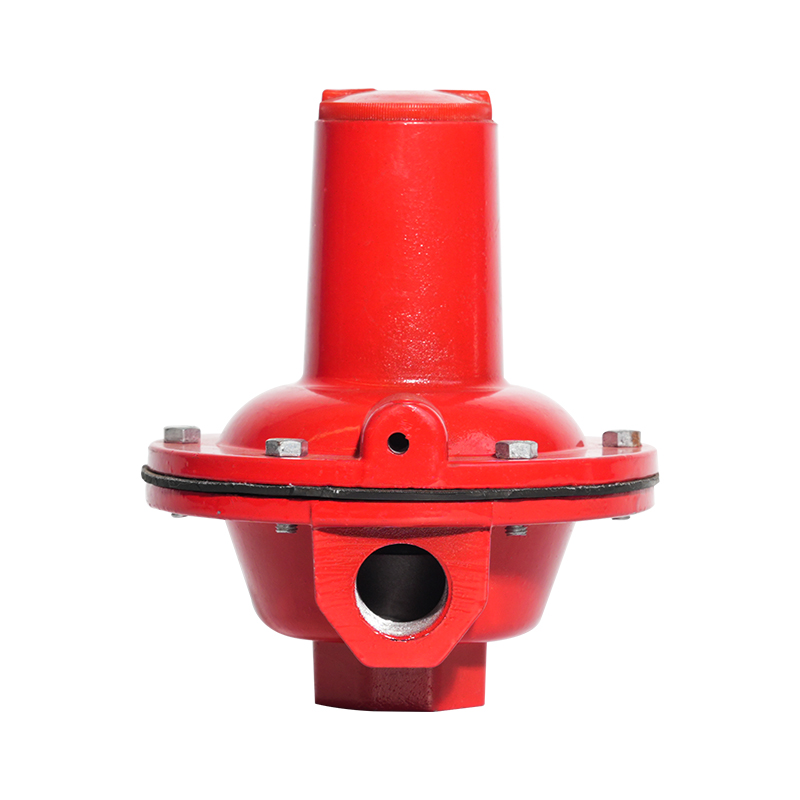 Custom Design Gas automatic relief valve, gas relief valve, safety relief valve Jiangsu Changrun Intelligent Gas Equipment Co., Ltd. is China Custom Design Gas automatic relief valve, gas relief valve, safety relief v... View Product →
 Temperature changes affect the precision of a gas pressure regulating device. Low-temperature installations, such as outdoor LPG service in winter or LNG vapor applications, require diaphragm materials that stay flexible below -30 °C, or lower depending on the design. High-temperature installations near industrial furnaces require seals and metal components that do not soften or creep. When the gas contains condensate or hydrogen sulfide, elastomers and body materials must be selected for chemical resistance, not just mechanical strength.
A regulator setpoint is only useful if it has been factory-tested. Manufacturers that operate a regulator static characteristic test bench, spring testing machines, and a high-low temperature test chamber have the internal ability to verify performance before shipment. In-house X-ray inspection and welding rod drying ovens are additional signs of a quality process that extends beyond final assembly. Ask the supplier for documented test results and check whether the manufacturer can demonstrate these capabilities.
Install the regulating device in the correct flow direction and keep the diaphragm chamber upright. Support the piping to prevent mechanical stress on the body, and ensure that the vent port is unobstructed and protected from rain, insects, and frost. For pilot-operated regulators, allow enough straight pipe so the sense line receives a stable pressure reading instead of turbulence from an elbow or valve.
Before starting the system, purge the line and perform a leak test. Adjust the setpoint while gas is flowing at a controlled rate, then measure the lock-up pressure after a downstream valve has been closed. Record these values for comparison during the next inspection. During scheduled maintenance, inspect the diaphragm for stretching or cracking, check the valve seat for wear, confirm that the spring and adjustment mechanism move freely, and verify that the relief valve opens at its set point. A structured functional check, such as how to ensure a gas pressure regulator is functioning correctly , helps identify small faults before they become safety events.
A gas pressure regulating device is the point where a high-pressure network becomes a usable and stable gas supply for equipment. The choice should be based on verified data: inlet pressure rating, outlet pressure range, flow capacity, accuracy class, lock-up pressure, materials, and temperature range. It should be installed as part of a complete gas train with a filter, a safety relief valve, and a shutoff valve, and it should be tested both at the factory and during commissioning. A supplier that combines the regulator with in-house testing equipment and a documented quality process makes the job easier from specification through long-term operation.
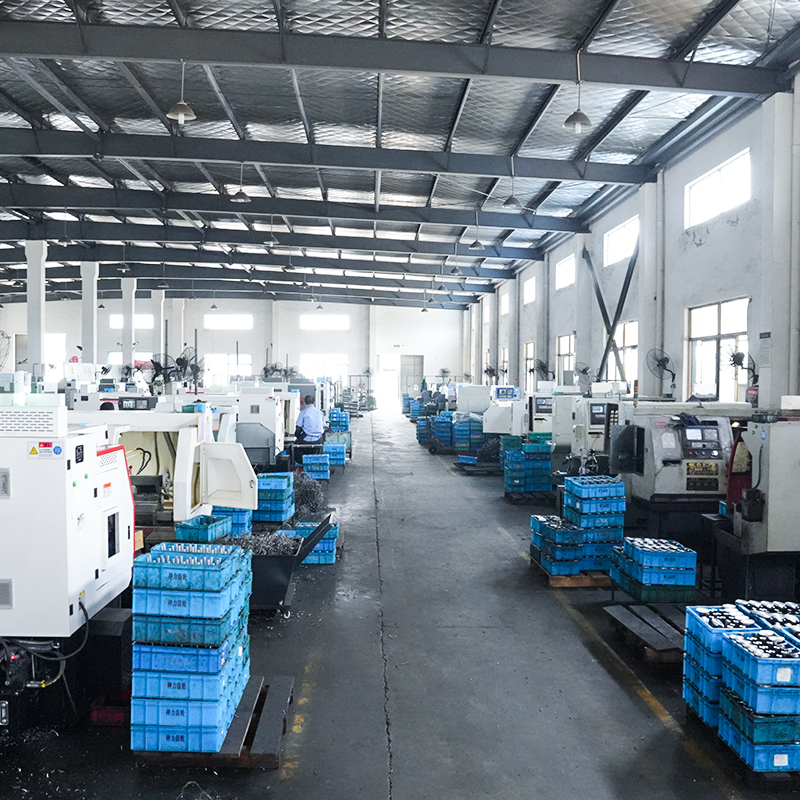
Ang Gas Parts Processing Center ay isang lubos na isinama at awtomatikong kagamitan sa pagproseso batay sa mga advanced na teknolohiya tulad ng CNC...
Tingnan ang mga detalye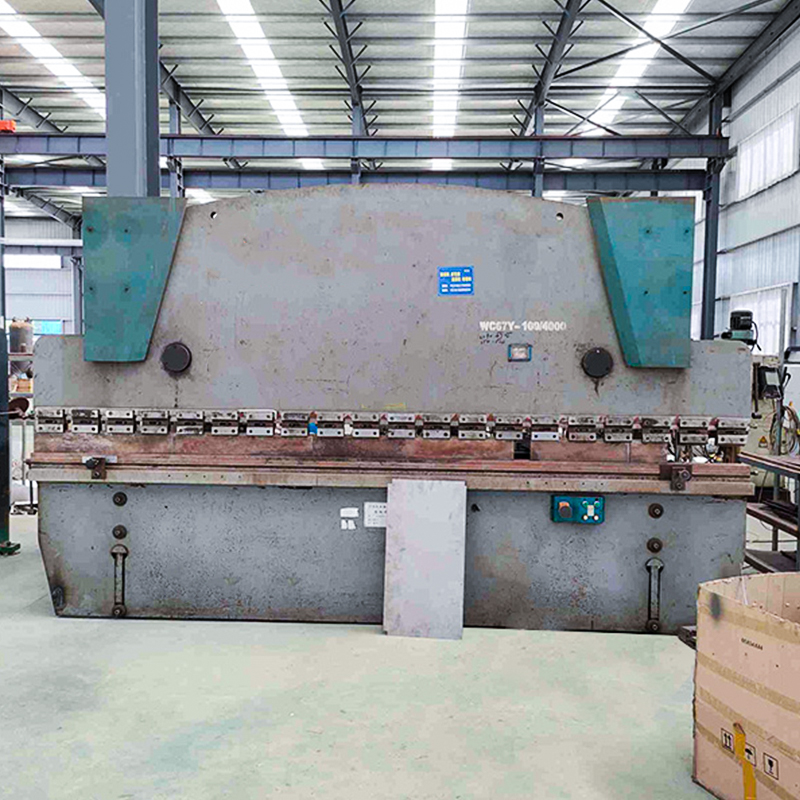
Ang isang halaman ng likido ay isang aparato na nagko -convert ng gas sa likido, lalo na sa paggawa ng likidong natural gas (LNG). Partikular na tu...
Tingnan ang mga detalye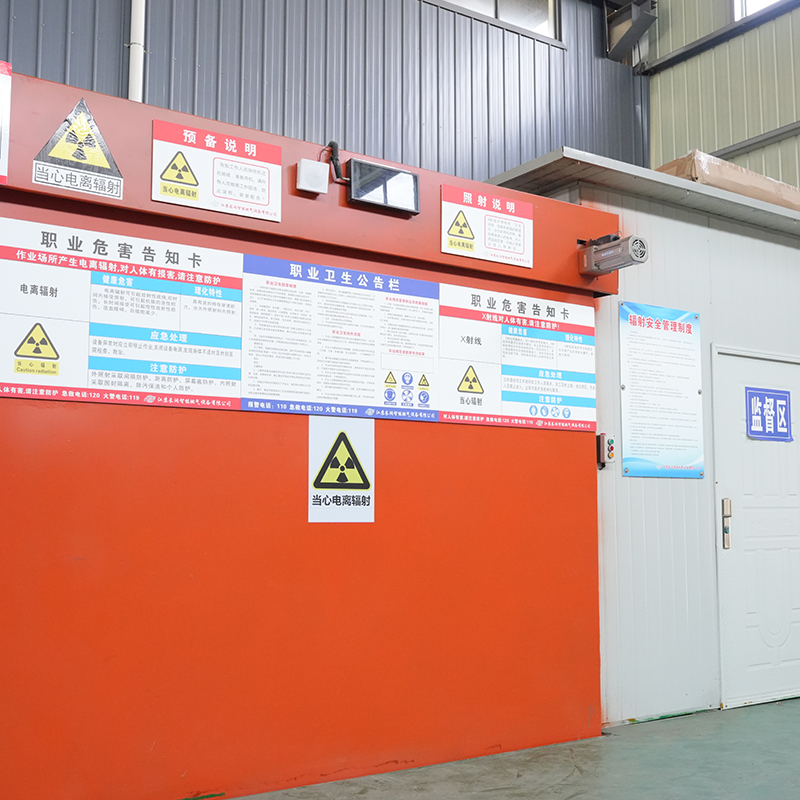
Ang X-ray flaw detection room ay isang lugar na espesyal na ginagamit para sa x-ray flaw detection. Nilagyan ito ng X-ray na mga detektor ng pang-i...
Tingnan ang mga detalye
Ang kumpanya ay isang tagagawa na dalubhasa sa paghahatid ng gas at + kagamitan sa pamamahagi at mga regulator ng presyon ng gas. Ito ay isang propesyonal na tagagawa na nagsasama ng pananaliksik at pag-unlad, disenyo, pagmamanupaktura, marketing at after-sales serbisyo ng kagamitan sa gas.
Telepono: +86 138-5131-2088
Tel: +86 0515-83918669
Email: [email protected]
Idagdag: Hindi. 13, Yongchuang Road, Dazhong Industrial Park, Dafeng District, Yancheng City, Jiangsu Province, China
Copyright © Jiangsu Changrun Intelligent Gas Equipment Co, Ltd All Rights Reserved.
Pasadyang mga tagagawa ng mga regulator ng presyon ng gasolina, mga supplier
 Mag -login $
Makipag -ugnay sa amin